The Importance of the Dwindling Wetlands - SSCI Environmental
Did you know wetlands are often called “Nature’s Kidneys?”
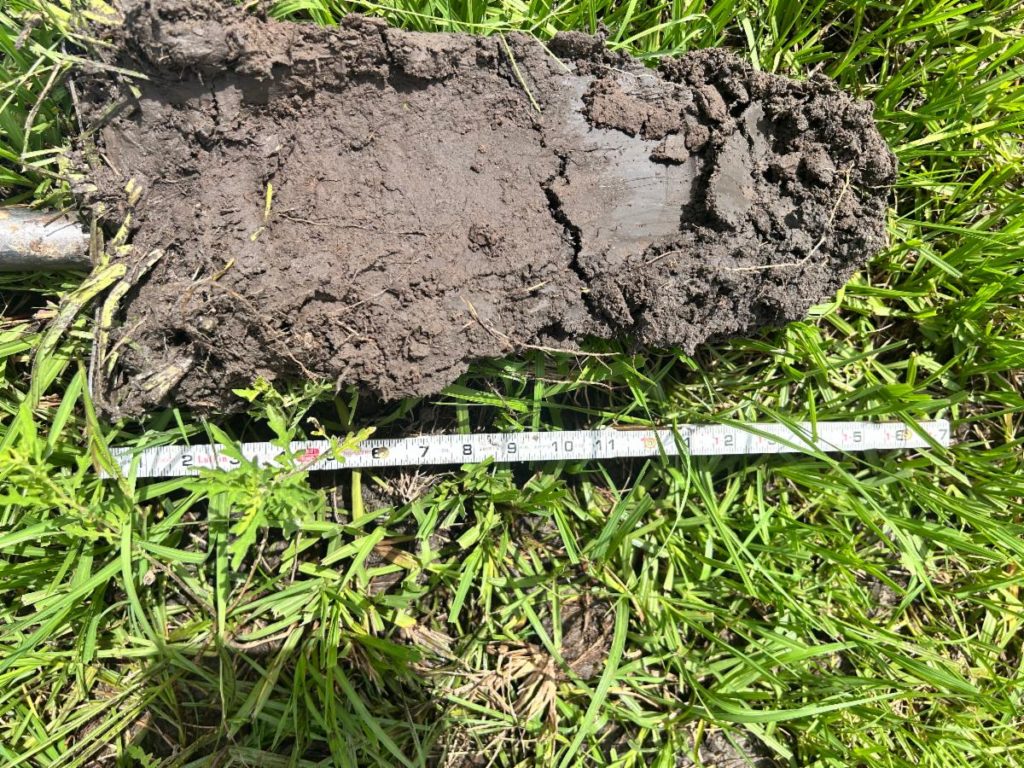
Wetlands filter sediments, nutrients, and pollutants from water before it reaches rivers, lakes, and groundwater. They also store significant amounts of carbon in their soils, making them great sources of carbon sequestration. Research published in Nature Communications found that U.S. wetlands contain approximately 11.5 billion metric tons of carbon in their soils, much of it stored deep below the surface.
Why are they so important?
On top of delivering cleaner water to the bodies of freshwater, wetlands provide a place for stormwater and ultimately reduce local flood risks. With the collected stormwater, the ground water is replenished, and the extremely biodiverse environment continues to receive abundant resources and nutrients.
In short, wetlands keep our water clean, our air fresh, and our streets dry. Losing this truly one of a kind ecosystem was estimated to threaten trillions worth in global benefits.
The declining trend of Wetland presence is concerning:
Since the 1970s, 22% of the global total of wetlands has been lost, and 25% of the remaining wetlands are in poor condition. Wetlands are disappearing three times faster than forests.
Primary Causes include:
- Agricultural Expansion
- Urban Development
- Industrial Development
- Pollution and altered drainage patterns
Active Efforts to Bring this Ecosystem back:
- Wetland Program Development Grants (WPDGs) - EPA has given grants to support the development of state, tribal, territorial, and local government wetland programs
- Wetlands Reserve Easements (WRE) - Help private and tribal landowners protect, restore, and enhance wetlands that have been
- NOAA’s Largest Wetland Restoration - NOAA and its partners recently completed a major restoration project that created approximately 1,200 acres of coastal marsh in Louisiana’s Barataria Basin.
SSCI Environmental’s wetland services:
- Regulatory reviews
- Desktop evaluations
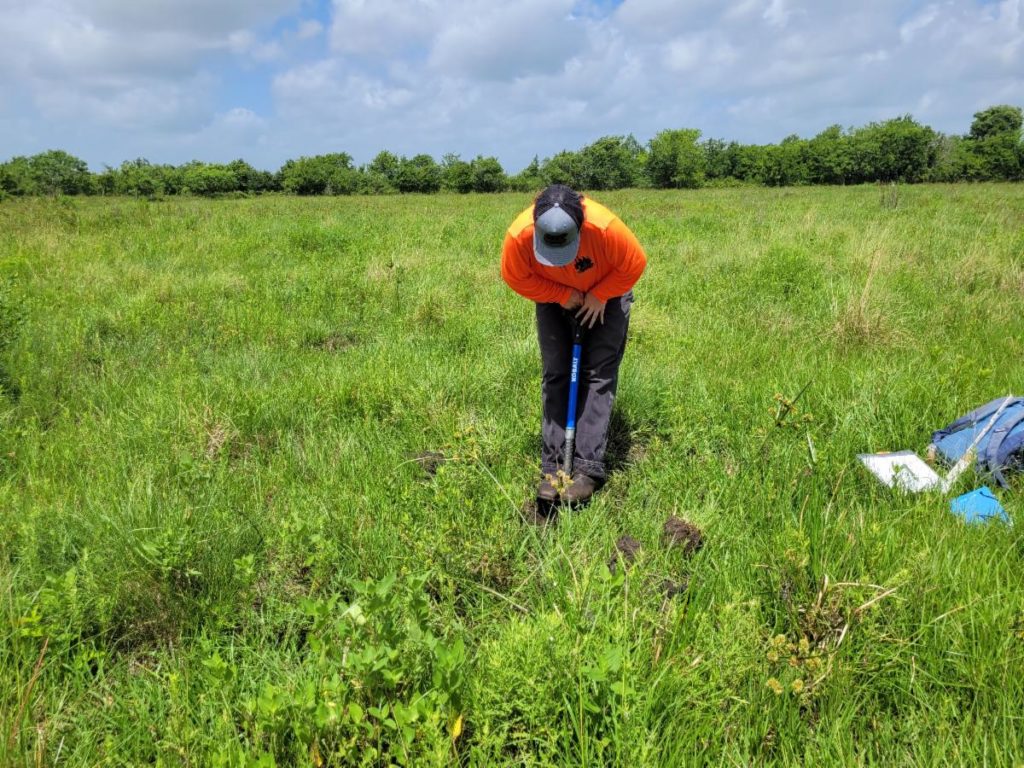
- Field surveys
- Delineations
- Jurisdictional determinations
- Section 10 and 404 permitting and mitigation planning
Identifying wetlands early in the planning process can help reduce permitting delays, evaluate potential impacts, and keep projects moving forward while protecting these valuable natural resources.